
Irish exporters are dependent on increasingly fragile global supply chains. That leaves them looking for new strategies to cope.
“Irish exporters operate in highly interconnected supply chains, so a disruption at a supplier, port or logistics hub can quickly have a local impact,” says Cian Kelliher, management consulting partner at KPMG.
They are responding in a number of ways to improve the resilience of their supply chains; firstly, by seeking out greater visibility. “Leading organisations are investing in integrated platforms that give real-time insight across suppliers, inventory and logistics, so disruption is spotted earlier and responses are better co-ordinated,” says Kelliher.
Scenario planning is improving as a result. “Advanced analytics and digital twins are being used to simulate supplier failure, transport delays or regulatory change, which is especially valuable in sectors like life sciences and retail, where continuity and compliance are critical.”
READ MORE


Flexibility is increasingly important within supply chain management. “Businesses are diversifying suppliers and improving co-ordination across road, sea and air, so they can switch transport modes when disruption or cost pressures hit,” says Kelliher.
Increased digitalisation means cyber risk has become a huge part of managing supplier risks too.
“As supply chains digitise, companies are building cybersecurity requirements into supplier onboarding and monitoring, and paying closer attention to supplier environmental, social and governance performance, including Scope 3 emissions,” he adds.
As with all aspects of business, measurement is key to good management. “The strongest performers track how quickly they detect and recover from disruption, how well scenarios are tested, and how diversified their sourcing is, while using AI to improve forecasting and planning.”

“Overall, the shift is from reacting to disruption to managing risk proactively, balancing resilience with cost efficiency and growth.”
Although building supply chain resilience is a dynamic exercise which, by its nature, can never be boxed off, the supplier development work done in advance of Brexit has at least made it easier for many Irish businesses to cope with the pitfalls of the current geopolitical environment.
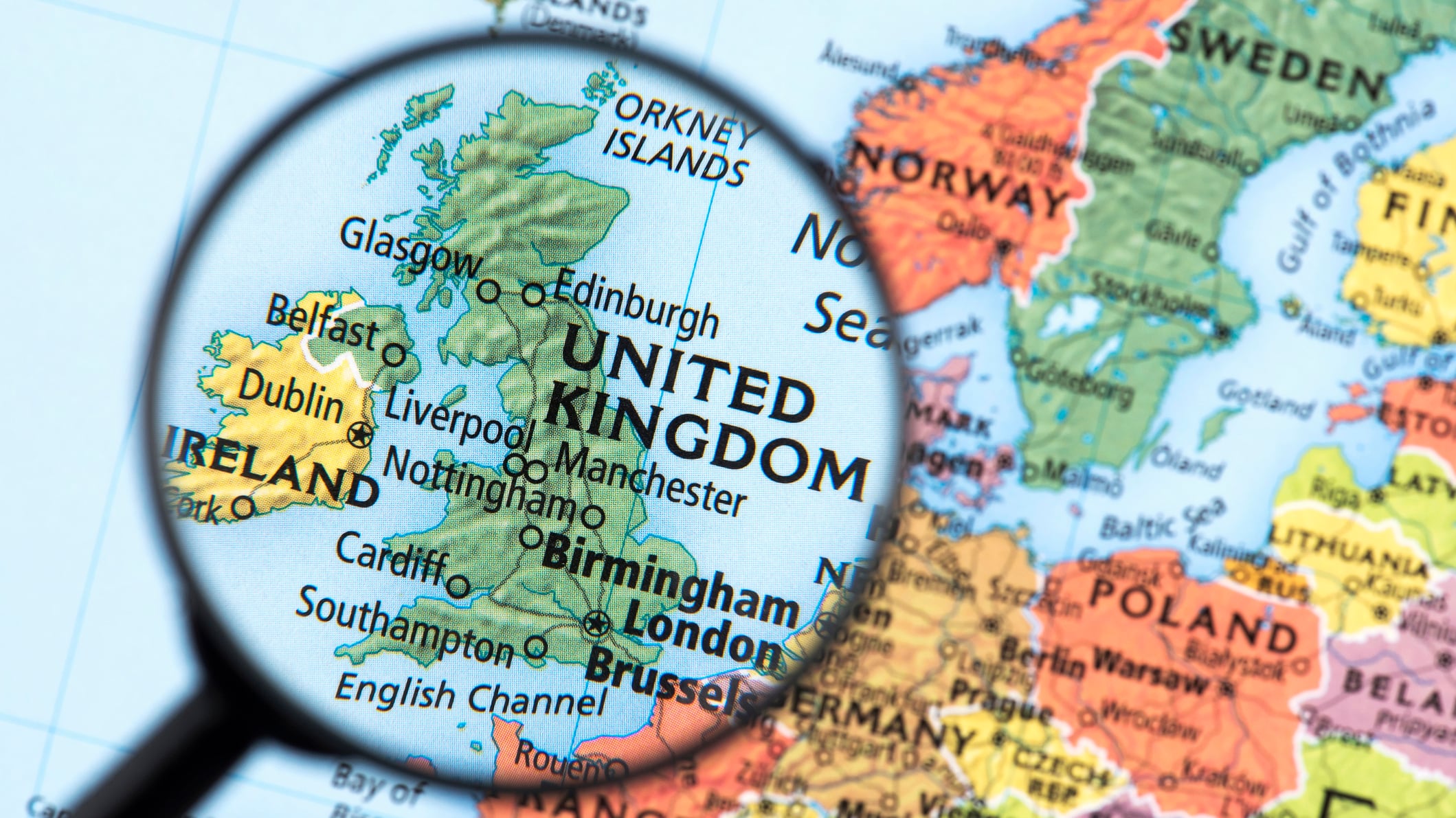
Cork business Water Technology is a case in point. The company is primarily active in the Irish market, but is also established in Idaho in the US, and trades in Northern Ireland and Britain, as well as in Saudi Arabia, through a partner company.
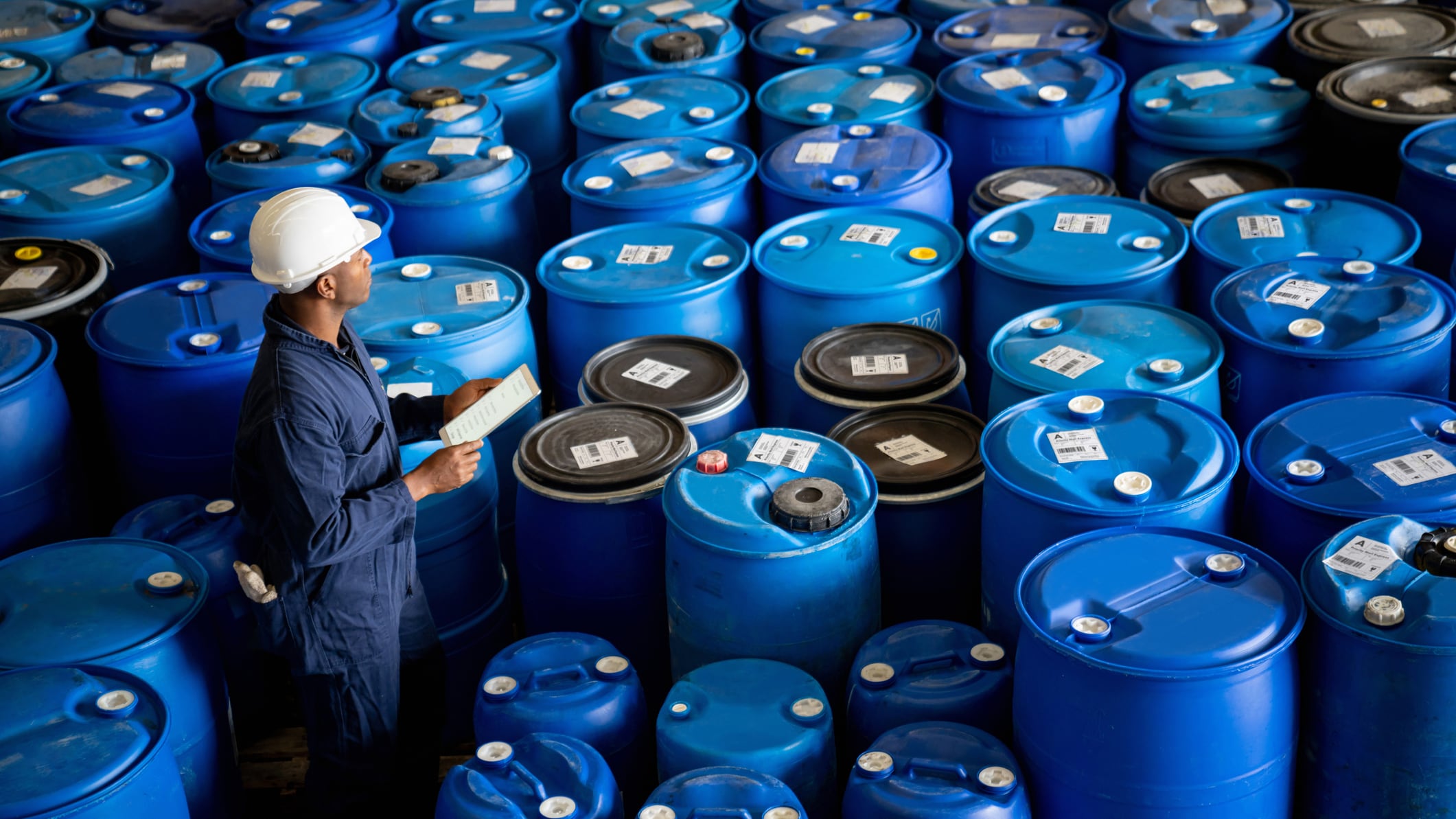
“Supply chain is huge for us because of the nature of the base chemicals in our formulations. In most of our products there are some chemicals that are globally traded commodities,” says Seamus Dillon, it’s chief information officer.
As part of its Brexit preparation work in 2016, it identified many of the weakest points in relation to critical raw mineral supply to the island of Ireland. It found there is only one manufacturer of caustic soda on the island, for example. The rest is imported. On top of that was the fact that there is only one port capable of taking in bulk shipments of the material.
Nitric acid was another commodity chemical that was flagged up, as it depended entirely on roll-on-roll-off shipping services, all of which were coming from Britain.
“At that stage we embarked on a supply chain resilience project, identifying contingency suppliers, and qualifying them across the UK, Europe and beyond,” says[p Dillon.
But supply chain resilience is a never-ending pursuit, and much of it comes down to how you cope not just with anticipated events like Brexit, but shock ones too.
“Luckily, when Covid hit, and there were rolling global shutdowns, our supply chain resilience from our Brexit preparation was so strong that we could switch on and start activating all the contingency suppliers we had, in order to cope,” he says.
Ditto, in 2021, when a European flight was stopped and a Belarusian man taken off, resulting in sanctions against Belarus and Russia which created a “supply chain crunch” for another important chemical.
It meant that, by the time of Russia’s full-scale invasion of Ukraine, and right up until the recent closure of the Strait of Hormuz, “we had zero supply disruption whatsoever”, says Dillon.
Indeed, the company’s position was so strong that it didn’t just ensure continuity of supply for its own customers worldwide, but it supplied those of its competitors too. “It was a hugely successful strategy.”