The path towards a new public sector pay deal enters a new phase this morning when negotiators from the unions and the Government side sit down together at the Workplace Relations Commission to begin what could be a lengthy process of trying to thrash out a new agreement.
Both sides want a deal; both are keen to stress they don’t want it at all costs. It wouldn’t amaze anyone if there were a few stops and starts along the way. “It’s not going to be smooth,” said one Government insider.
The unions probably start the process on the front foot. In the talks about talks over the weekend, concluded hastily on Saturday evening after just one day, the Government conceded the union demands that pay be dealt with at the start of the negotiations and that this should include the unions’ “claims on cost-of-living effects between 2021–2025, this year, and for the duration of any agreement”, as the agreed statement put it.
The statement also noted that “there is a need to rebuild trust and confidence in industrial relations in the public sector by addressing commitments made in the context of the previous agreement” – code for the local bargaining elements of the last agreement which the unions say have not been honoured in recent years. The local bargaining elements are not popular on the Government side, where they are viewed as just a means to secure top-up increases.
READ MORE


Could the Government have not agreed all this a week ago and avoided the strike last Wednesday? You’d think so. Though there is a view present at the top of Government that the unions needed a “day out” to underline – both to the public and to their own members – their determination and their willingness to go all the way to strike action.
But nobody, it seems, wanted two days out. Or at least, nobody at leadership level did. A protracted period on the picket lines can harden attitudes and make the eventual compromise – if and when it comes – harder to sell. Union leaders are always aware that after any deal is done they then have to go and persuade their memberships that no better deal is on offer. Sometimes that can be harder than agreeing the deal in the first place.
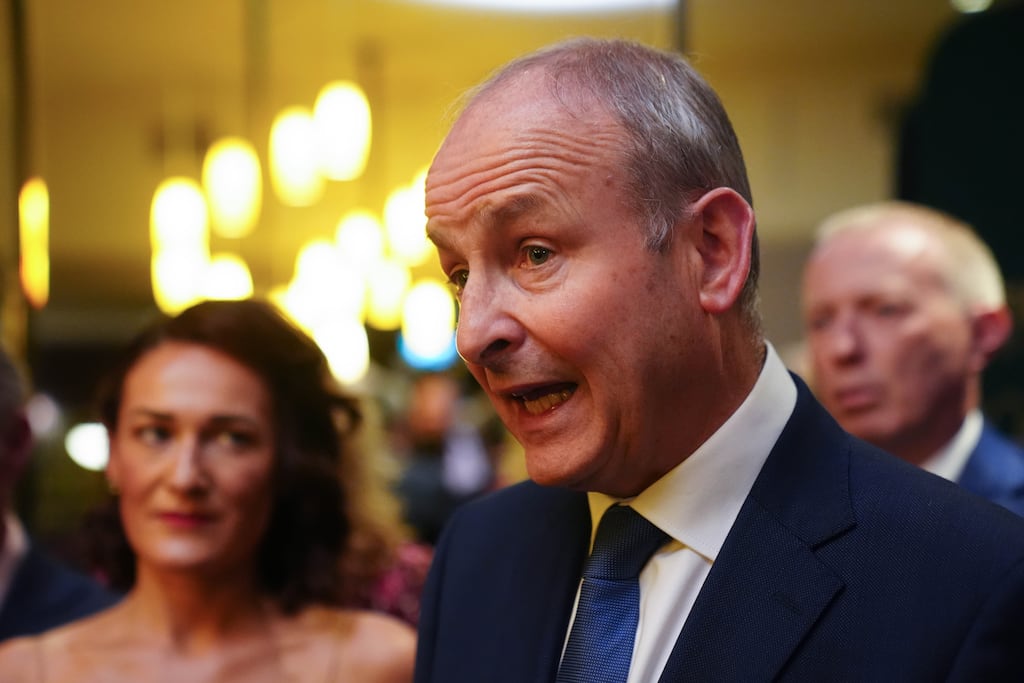
The unions are also likely to face questions about the structure of any deal – does it seek to give the most to lower-paid public sector workers who are feeling the pinch the most from cost-of-living pressures? Asked about this at Bodenstown on Sunday, Taoiseach Micheál Martin said he was keen to see an agreement that would look after lower-paid workers, but stressed that he wanted to see what the unions were looking for. It remains to be seen whether the unions would be willing to trade gains for higher-paid public servants in order to help the lower-paid significantly.
Because of the way public sector salaries are structured, with many jobs subjects to increments scales, older workers tend to be paid significantly more. That means flat-rate percentage increases benefit them much more than the lower paid.
The Government has put aside €1.2 billion, though it will end up with a more expensive – and possibly much more expensive – deal. But at €1.2 billion, that’s enough to give everyone in the public sector a 3 per cent pay rise. What that means, however, varies widely. With a 3 per cent increase, the secretary general of a government department would benefit by about €700 a month; a teacher on the bottom of the scale by about €120 a month. It will be interesting to see how the unions address this issue in the talks.