
Ireland is entering a period of significant investment and development. From housing and infrastructure to energy, transport and regional development, businesses are being asked to deliver more – often while managing rising costs, sustainability commitments and pressure to demonstrate value for money. For many, that is changing the way they think about business mobility.
The National Development Plan commits €275.4 billion in public capital investment between 2026 and 2035, with €102.4 billion in sectoral capital allocations for 2026–2030. Housing, water, energy and transport infrastructure are among its priorities.
At the same time, the Economic and Social Research Institute’s Autumn 2026 Quarterly Economic Commentary forecasts modified domestic demand growth of 3.4 per cent in 2027 and housing completions of just under 40,500.
Against that backdrop, Irish businesses and public-sector organisations increasingly need mobility that can expand, contract and move with their operational requirements. Sectors such as construction, film production, energy and utilities often require dozens of additional vehicles at short notice as projects mobilise - while the SME sector needs the scalability to adjust fleet sizes up or down, as and when needed.
READ MORE


For organisations operating in this environment, a permanently fixed fleet may not always reflect what is actually happening on the ground.
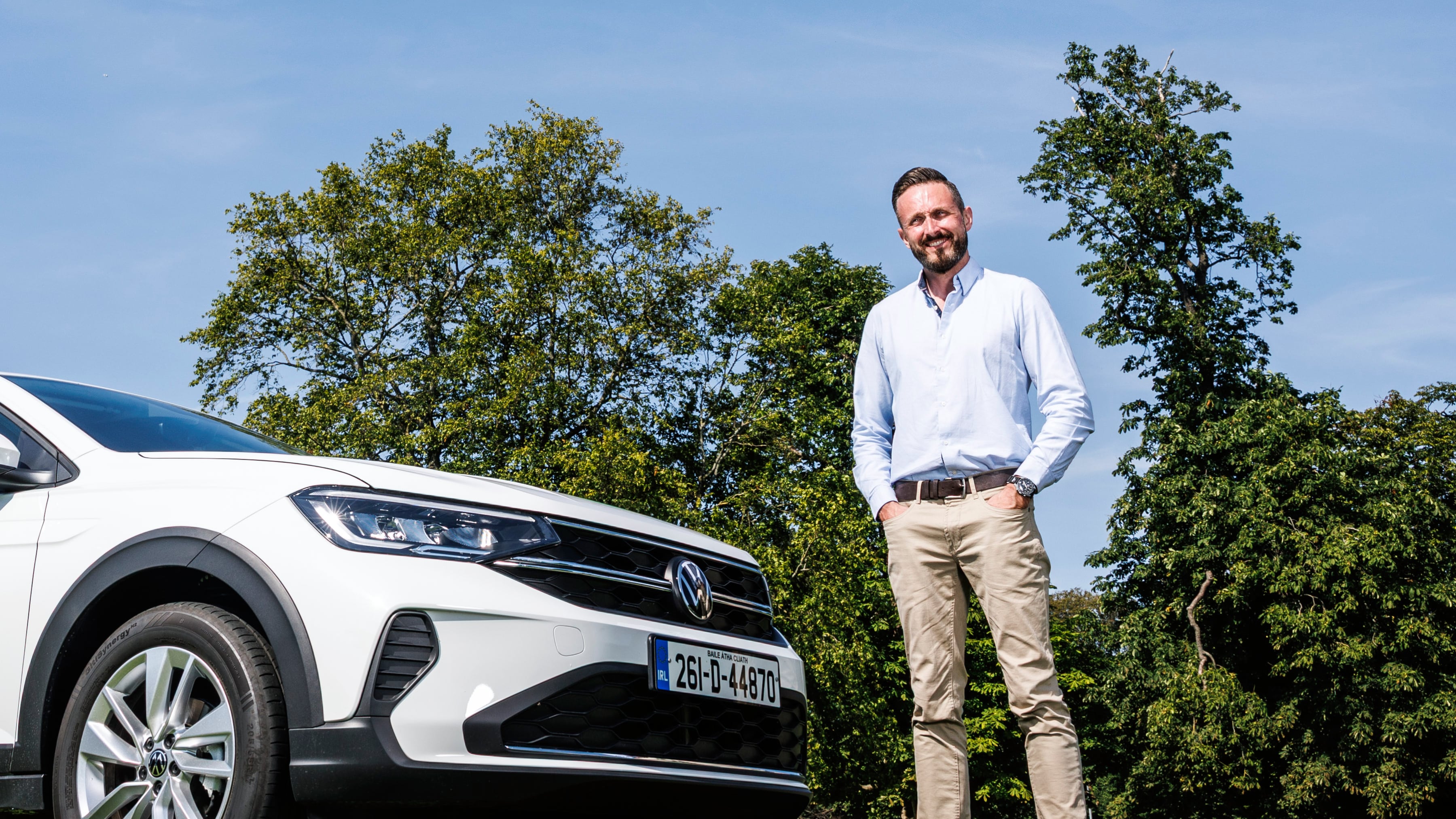
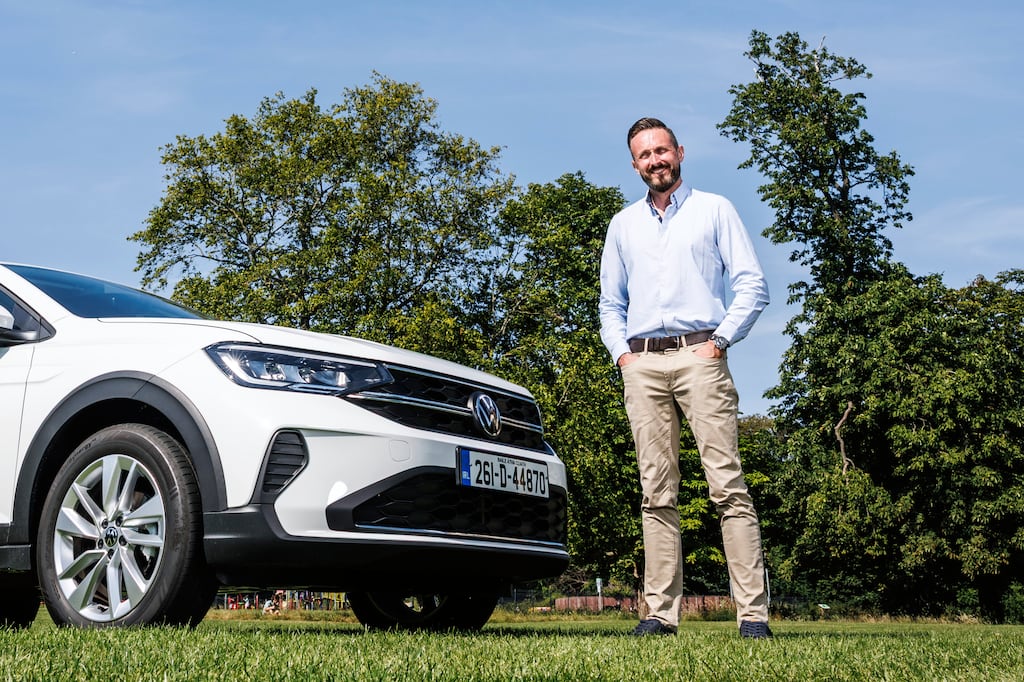
“The traditional owned-fleet model is no longer suitable for many businesses,” says Joe Quirke, head of country and commercial director at Europcar Ireland. “Changing mobility needs mean companies need to have the right mix of vehicles available as and when required, with the ability to adjust to changing project needs, timelines and budgets.”
Europcar’s flexible fleet solutions enable organisations to increase or reduce vehicle numbers as their requirements change, with rental periods ranging from a single day to two years or more.
This agility is particularly important to project-led organisations and businesses experiencing rapid growth, or who experience high levels of seasonality.
A local authority, developer or contractor, for example, might require additional vehicles to support housing or roads programmes. An energy or sustainability organisation may have employees working across several locations. Utilities and infrastructure businesses can require different types and numbers of vehicles as projects progress through different stages.
Similar pressures exist in sectors supporting Ireland’s wider economic growth. Film productions and big events can generate short but significant peaks in mobility demand. Development bodies and semi-State organisations can have nationwide workforces whose requirements change as projects and priorities evolve.
Within the SME sector, the need for flexibility is compounded by the rising cost of doing business, where minimising upfront capital expenditure is now a strategic necessity rather than just an operational choice.
The objective is straightforward: have the appropriate vehicles available when they are required while avoiding unnecessary idle capacity when demand falls.
“A company’s fleet needs to be as agile as its workforce,” says Quirke. “Vehicle availability should never be a constraining factor when looking at project pipelines.”
‘Rather than simply providing vehicles, we’re helping organisations build a mobility solution that supports their operations today, while giving them the flexibility to adapt and grow’
— Joe Quirke, head of country and commercial director at Europcar Ireland
This approach has seen Europcar recognised as an industry leader in flexible mobility. The company was named Ireland’s Number One B2B rental brand of choice 2026 & 2025, by Kantar. Europcar was also named Europe’s Leading Car Rental Company at the World Travel Awards in both 2026 and 2025.
Flexibility is only one part of the calculation. “True cost efficiency goes beyond the daily or monthly rental rate,” says Quirke. “Businesses need to look at the total cost of mobility and ensure their fleet is working as efficiently as possible for their requirements.”
For business owners, procurement, finance, operations and fleet teams, the conversation is increasingly about the total cost of mobility rather than simply the purchase price or monthly rental cost of an individual vehicle.
Buying vehicles requires upfront capital. Conventional long-term arrangements can also leave an organisation committed to costs when its needs change.
A more complete calculation includes administration, servicing, maintenance, breakdown assistance, vehicle downtime and utilisation, as well as the financial implications of retaining vehicles that are no longer required.
For organisations facing competing demands for investment, that distinction can be significant. Capital that would otherwise be committed to purchasing vehicles may be required elsewhere in the business, while the ability to adjust fleet size can help align expenditure more closely with actual activity.
Technology is also changing fleet management. Europcar operates Ireland’s only fully IoT-connected, telematics-enabled rental fleet, with capabilities including track and trace, and rapid vehicle replacement. Its digital systems are designed to give organisations greater visibility over vehicle use and help reduce disruption when a vehicle becomes unavailable.
For businesses whose employees depend on vehicles to perform their jobs, downtime can quickly become more than an inconvenience.
A utilities crew unable to reach a site, a construction employee unable to move between projects or a field-services worker unable to reach a customer can create operational delays and additional costs.

Digital reporting can also help organisations understand how vehicles are being deployed and where capacity is needed. Better visibility can support decisions about fleet size, utilisation and the allocation of vehicles between projects or locations.
This focus on operational improvement was recognised at the Lean Business Ireland Awards 2026, where Europcar was named Lean champion of the year.
Sustainability is another increasingly important consideration for Irish businesses. Organisations with environmental, social and governance commitments or emissions-reduction targets are examining their transport footprint. But moving an entire owned fleet to electric vehicles in a single step may not be practical for every organisation or every type of journey.
Flexible access to electric and hybrid vehicles can provide another route. Businesses can introduce lower-tailpipe-emission vehicles into suitable parts of their operations without immediately committing to ownership across their entire fleet.
Europcar has continued to expand access to electric and hybrid vehicles in Ireland while maintaining a mix of vehicle types for different operational requirements.
Not every business can make the change to a fully electric or even hybrid fleet overnight, says Quirke. “The transition needs to be considered, practical and support business needs. Europcar’s fleet is constantly expanding and adapting to help our customers make more sustainable transport decisions.”
Charging infrastructure is a key part of that equation. Europcar’s customers have access to more than 4,500 public chargers across 1,500 locations nationwide, making EV use more practical for organisations whose employees travel across different parts of the country.
At its simplest, flexible mobility is about reversing the traditional relationship between a business and its fleet. Instead of requiring an organisation to structure its activity around a fixed number of vehicles, the fleet can be adjusted to reflect real-world organisational needs.
That can be valuable for a business entering a new market, a contractor starting a big project, an organisation mobilising a temporary workforce or a public body trying to deliver additional services while using its capital efficiently.
“Europcar’s offering starts with understanding how each customer operates and what they need from their fleet,” says Quirke. “Those needs can change quickly as new projects begin, teams expand or priorities shift. The value of flexible mobility is that it can respond to those changes. Rather than simply providing vehicles, we’re helping organisations build a mobility solution that supports their operations today, while giving them the flexibility to adapt and grow.”
To find out more about flexible business mobility, visit europcarfleet.ie